
UK flag

Study in UK

Centuries of academic heritage, the world's most efficient master's programmes (one year), and a 2-year Graduate Route post-study work visa. The UK hosts 4 of the world's top-10 universities and is the second-largest destination for international students globally.

Book a Free Consultation
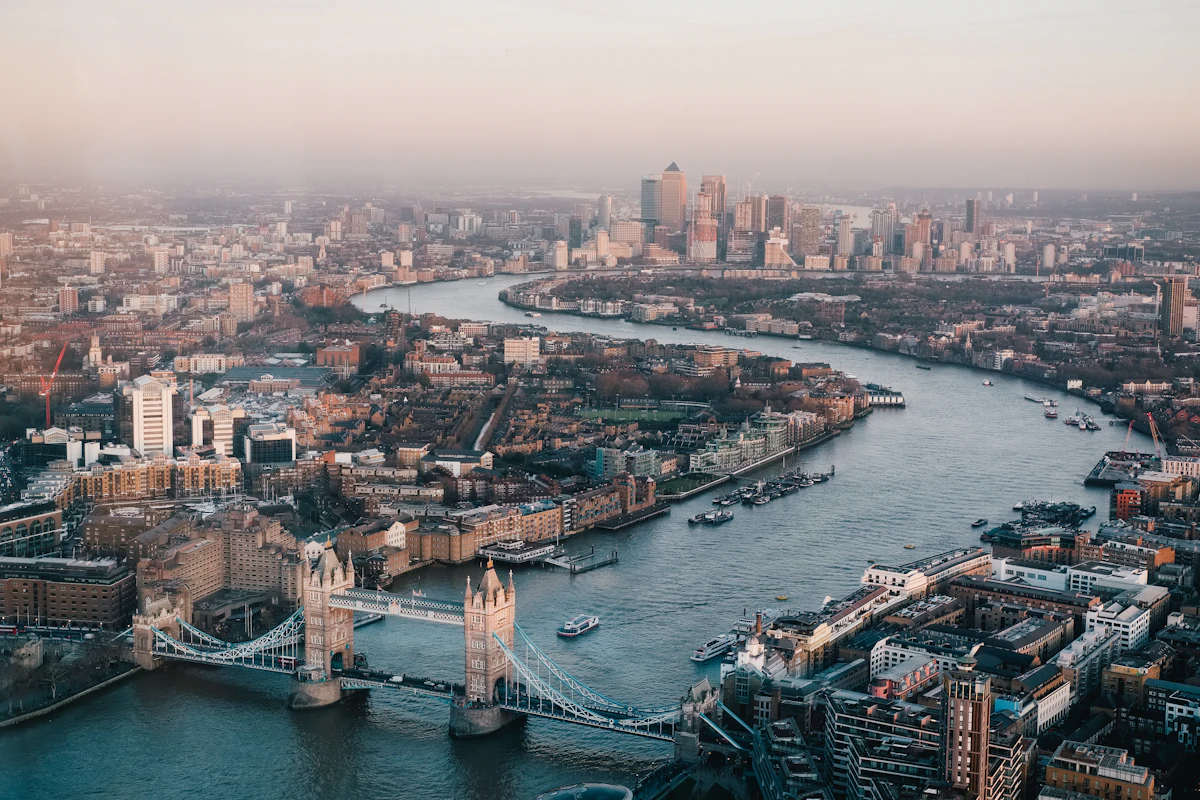
Westminster Bridge and Big Ben in London

Why study in UK?

The UK higher-education system spans 160+ universities across England, Scotland, Wales, and Northern Ireland — including the Russell Group of 24 research-intensive universities. Three-year bachelor's degrees and one-year master's programmes make the UK the fastest, often most cost-effective, route to a globally respected qualification.

Key highlights

  • 3-year bachelor's and 1-year master's in England, Wales, and Northern Ireland (4 and 1–2 years in Scotland).
  • Graduate Route visa — 2 years of post-study work (3 years for PhD graduates) with no employer sponsorship needed.
  • Russell Group & Golden Triangle — research-intensive universities concentrated in London, Oxford, and Cambridge.
  • Two main intakes — September (main) and January / February (limited).
  • Work rights — 20 hrs/week during term and full-time during vacations for most Student visa holders.

Popular programmes

  • MSc in Data Science, AI, and Computer Science
  • MSc in Finance, Banking, and Investment Management
  • MBA and Master in Management
  • LLM, Public Policy, and International Relations
  • MSc in Engineering, Pharmacy, and Public Health

Tests & eligibility

  • English proficiency — IELTS for UKVI 6.0–7.0 (no band below 5.5–6.5 depending on the course); PTE Academic UKVI and TOEFL iBT also accepted by most universities.
  • Academic record — first or upper-second class (2:1) Indian equivalent of 60–70%+ for most master's programmes; Oxbridge and LSE typically expect 75%+.
  • GMAT / GRE — required for some MBA and finance programmes (LBS, Oxford, Cambridge, Imperial). Most other master's are test-optional.

UK at a glance

DestinationUK flag UK
Universities160+
Main intakesSep, Jan
Tuition (UG/PG)£15k–£35k / yr
Living cost£12k–£15k / yr
VisaStudent (Tier 4)
Post-study work2 yrs (3 PhD)
English testIELTS UKVI / PTE
Plan your UK journey
Top universities

Where UK students learn

Oxbridge & Golden Triangle

Oxford, Cambridge, Imperial College London, UCL, LSE, and King's College London — the most globally recognised and competitive UK universities.

Russell Group leaders

Edinburgh, Manchester, Bristol, Warwick, Glasgow, Durham, Birmingham, Leeds, Sheffield, Southampton, and Nottingham — research-intensive flagships across England and Scotland.

Top business schools

London Business School, Oxford Saïd, Cambridge Judge, Imperial, Warwick, Cranfield, LSE, and Manchester Alliance for MBA and MSc Finance.

Specialist & modern universities

Bath, Loughborough, Lancaster, York, St Andrews, Strathclyde, Heriot-Watt, Surrey, and Cardiff for strong engineering, hospitality, and applied programmes.

Cost of studying in the UK

The UK strikes a strong balance between tuition cost and time to degree — a one-year master's saves both fees and a year of living costs compared to the USA or Australia. Total all-in budget for a one-year master's is typically £27,000–£50,000.

  • Tuition — £15,000–£28,000 per year for most courses; specialist STEM, business, and medicine can reach £35,000–£50,000.
  • Living — £12,000–£15,000 per year outside London; £15,000–£18,000 inside London. Maintenance proof for the Student visa: £1,483/month in London, £1,136/month outside, for up to 9 months.
  • Healthcare — Immigration Health Surcharge of £776/year, paid upfront with the visa, gives full NHS access.
  • Funding — Chevening, Commonwealth, GREAT, Inlaks, Erasmus Mundus, plus university-specific scholarships covering 10–100% of tuition.

UK Student visa basics

  • Apply only after receiving a Confirmation of Acceptance for Studies (CAS) from a licensed Student Sponsor university.
  • Submit the online application at gov.uk, pay the visa fee (£524 outside the UK) and Immigration Health Surcharge (£776/year).
  • Show maintenance funds held for 28 consecutive days, alongside academic, English, and identity documents. Biometric appointment at a VFS Global centre.
  • Most decisions arrive within 3 weeks; priority and super-priority services available for an extra fee.

Budget planner (one-year MSc)

Tuition£18k–£28k
Living (outside London)£12k
IHS (9 mo)£776
Visa fee£524
Travel & setup£1k–£2k
Get a cost estimate
FAQs

Common questions about studying in the UK

Is a UK master's really only one year?

Yes — most taught master's (MA, MSc, LLM) in England, Wales, and NI run 12 months full-time, including the dissertation. Research master's (MRes / MPhil) and Scottish master's can take longer.

What is the Graduate Route?

An unsponsored 2-year post-study work visa (3 years for PhD graduates) that lets you work or look for work in any role, anywhere in the UK, after you finish your degree.

Can I bring dependants?

From January 2024, only research-based postgraduate (PhD) and government-sponsored students can bring dependants on the Student visa. Taught master's students cannot.

How can I move to Skilled Worker after my degree?

A UK employer with a sponsor licence can offer a Skilled Worker visa. Salary thresholds and the eligible occupation list change frequently — we monitor and plan transitions ahead of CAS expiry.

Compare destinations

Explore other countries

Verified with official sources

Fees, visa rules, salary thresholds, and intake dates change regularly. We've drawn the figures on this page from the official sources below — always confirm the latest details directly before applying or paying.